What Is Actual Cash Value Loss Settlement?
It pays what the damaged item is worth now, replacement cost minus depreciation for age and wear.
Free to compare
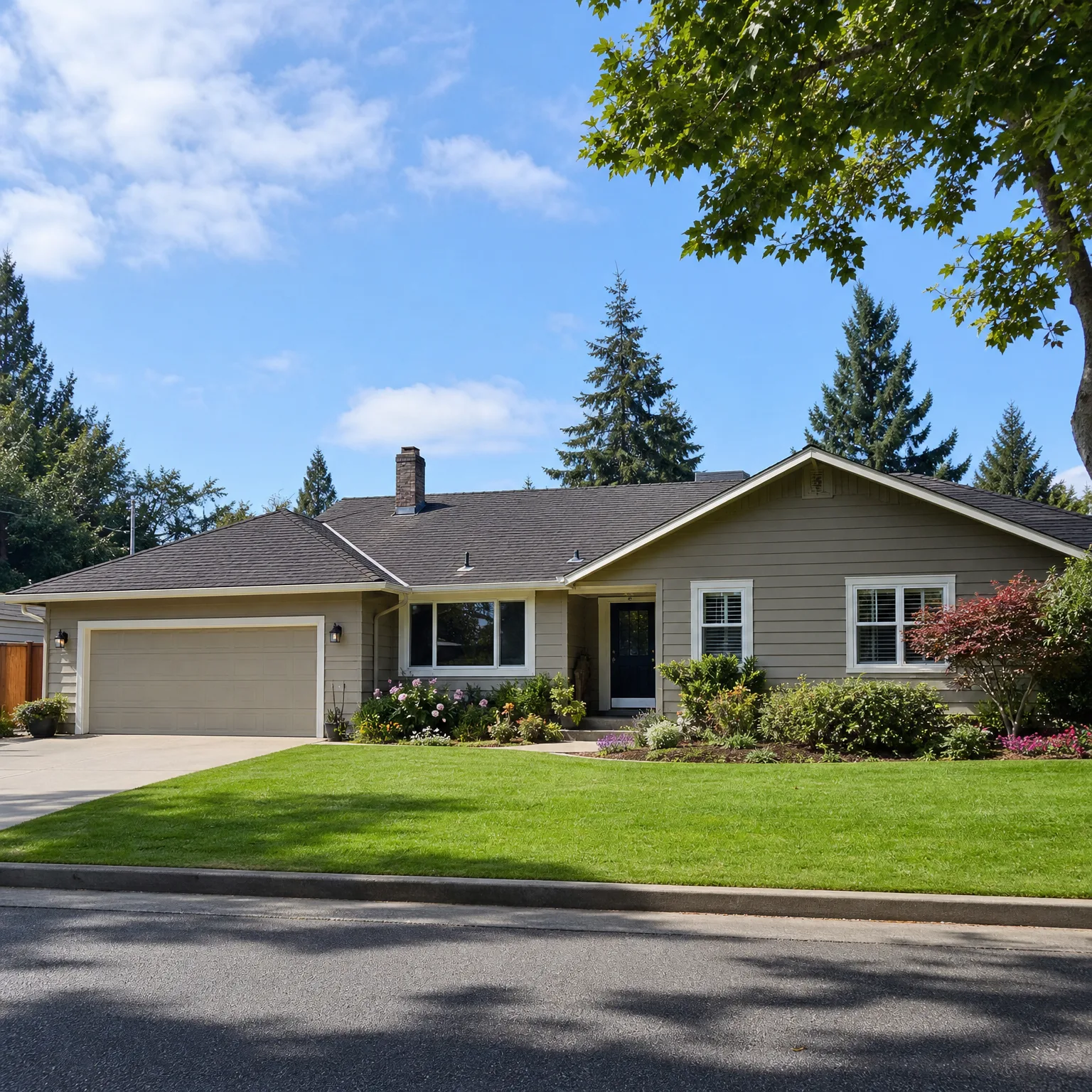
Depreciation is calculated by age and expected lifespan, so a ten-year-old roof rated for twenty-five years has lost roughly 40 percent of its value, and the payout reflects that even though replacing it costs full price today. The same math applies to flooring, appliances, siding, almost anything with wear built in. Your declarations page tells you whether your policy settles this way or pays replacement cost instead, and some policies pay actual cash value up front, then release the rest once the repair is done and you show the receipt.
An ACV payout and a replacement cost payout can be far apart
A roof or policy that pays actual cash value settles for less than it costs to replace today. Comparing policies now shows which ones close that gap before you need them to.
How is depreciation actually calculated on my claim
The adjuster figures depreciation by looking at the item's age and its expected lifespan, then applying that fraction to the replacement cost. A water heater expected to last twelve years that's eight years old has used up about two-thirds of its life, so the payout reflects roughly a third of what a new one costs. Some adjusters use software that pulls standard lifespan tables for roofing, carpet, appliances, and siding. Others work from a worksheet with set percentages per year. Either way, the number isn't arbitrary even when it feels low. It comes from a formula applied the same way to every claim of that kind.
Condition matters too, not just age. A well-maintained fifteen-year-old roof might depreciate less than a neglected one that's only ten years old, because the adjuster is also accounting for wear beyond what age alone would predict. This is where documentation helps. Photos from before the damage, receipts for a recent roof coating or appliance repair, records showing you replaced parts along the way. Without that, the adjuster defaults to age-based tables, and those tables don't know your roof was better cared for than most.
If the number on the settlement looks off, ask the adjuster for the depreciation worksheet, not just the total. It should show the item's listed lifespan, its age as calculated, the percentage applied, and the replacement cost figure before that percentage came out. Compare that replacement cost to what contractors in the area are actually charging. Adjusters sometimes pull from pricing databases that lag behind local material and labor costs, especially after a storm drives demand up. A contractor's estimate showing a higher replacement cost than the one the adjuster used is one of the more direct ways to get a settlement reconsidered.
Disagreement over the math is common enough that most policies have a built-in process for it, usually called appraisal, where each side picks an appraiser and the two of them settle on a number. The declarations page or the claims section of the policy describes how to invoke it. It's a slower path than just accepting the first offer, but it exists because depreciation disputes happen often enough that insurers built a way to resolve them without going to court.

What if I don't agree with the depreciation the adjuster applied
You can push back on a depreciation figure, and plenty of homeowners do. Start by asking what lifespan table was used and why. Some adjusters apply a generic category, like twenty years for asphalt shingles, when your specific product was rated longer and you have the manufacturer's documentation to show it. A longer rated lifespan at the same age means less of the item's life has been used up, which means less depreciation and a higher payout.
Get a second opinion before you argue the number. A local contractor can look at the same roof, siding, or flooring and give a written estimate of both the replacement cost and the remaining useful life. If that estimate differs meaningfully from the adjuster's, put it in writing and send it to the insurer with a request for review. Most claims departments have a process for this short of a formal dispute, and a specific, documented disagreement moves faster than a general complaint that the offer feels low.
If the insurer won't move and the gap is large, appraisal is the next step for most policies. Each side hires an independent appraiser, those two appraisers pick a neutral umpire, and the group works out a final figure that's binding. It costs something, since you're paying your own appraiser, so it tends to make sense when the disputed amount is large enough to justify it, not over a few hundred dollars on a water heater. The claims section of your policy spells out how to start this process and what it costs on your end.
Keep every document from the start of the claim, not just once a dispute starts. The adjuster's worksheet, your contractor's estimate, photos of the damaged item and its condition beforehand, any receipts for maintenance or partial replacement over the years. None of this guarantees a higher payout, but it's what a reconsideration or an appraisal actually runs on. An insurer that applied a fair percentage based on real evidence won't change the number, and one that defaulted to a generic table without looking closely often will.

Before you sign off on the offer
Find the depreciation worksheet behind your settlement number and check the lifespan it used against your roof, flooring, or appliance's actual age and condition.