How to Get Homeowners Insurance to Pay for New Siding
Show the damage came from a covered peril, like wind or hail, with photos and an adjuster's inspection.
Free to compare
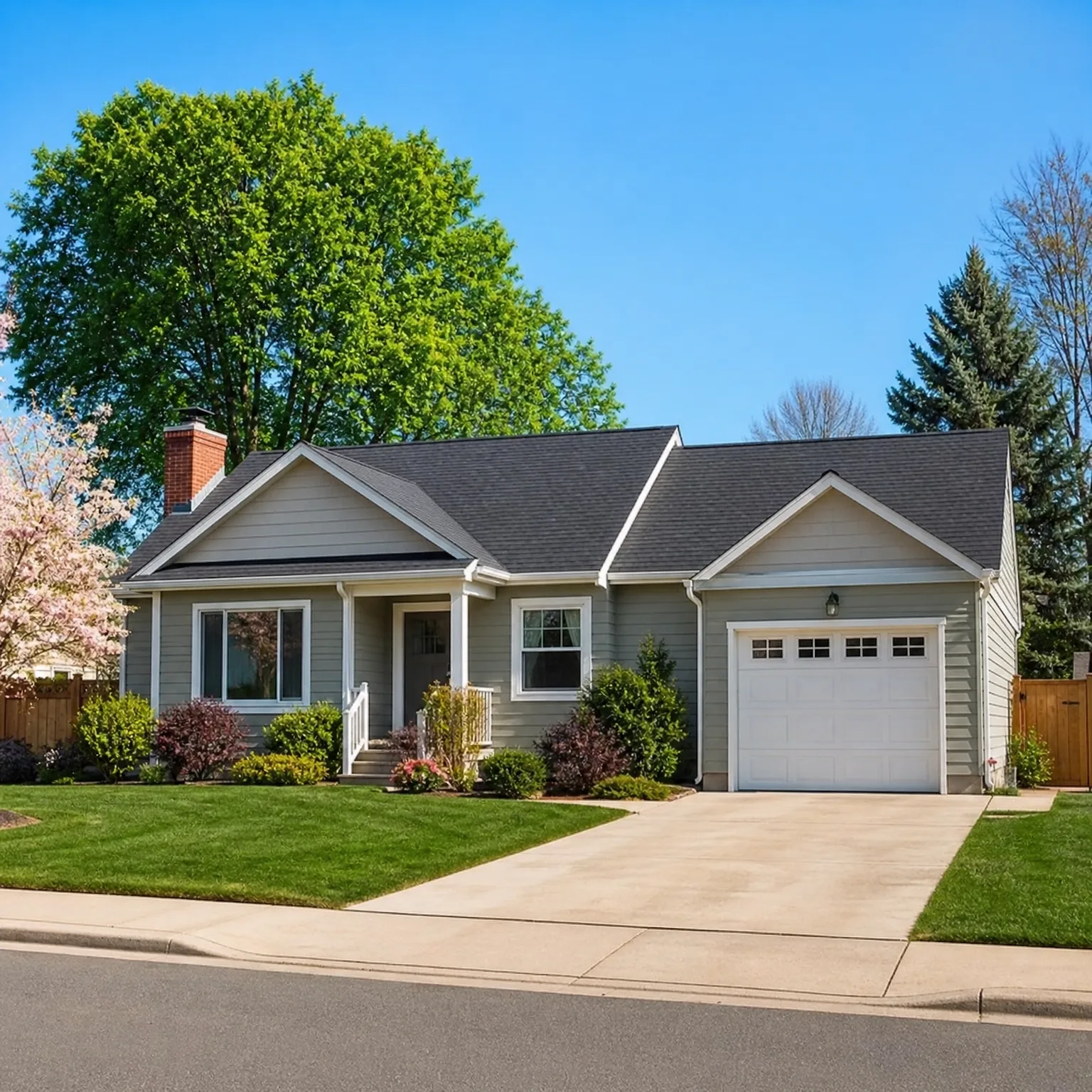
Siding gets paid for when something specific damaged it, not because it's old or faded. Wind lifting panels, hail denting them, a tree limb cracking a section. These are events an adjuster can point to and a date you can give. Wear over time isn't a covered peril. An adjuster who sees sun-bleaching alongside storm damage will often split the claim, paying only for what the event caused. If panels no longer match, your policy's matching clause may decide whether nearby walls get redone too.
If the insurer agrees to replace only the damaged section and your current siding is years old, matching new panels to faded ones rarely works out even. Whether the rest of the wall gets covered under your matching clause can mean thousands of dollars, and policies differ sharply on this point. Comparing how other policies handle matching and full-wall replacement is worth doing before the next storm, not after.
What if the insurer says the siding can't be matched
Most siding is sold in runs, and a run from five or ten years ago is often discontinued. When the adjuster's replacement panels don't match what's already on the house, that's the matching problem showing up in practice, not just in the policy wording. The first thing to get in writing is whether the insurer agrees the color or profile no longer matches. Adjusters will often say so themselves, since manufacturers discontinue siding lines constantly and it's easy to confirm.
Once mismatch is established, what happens next depends on the exact language in your policy, not on what seems fair. Some policies promise to make the repair reasonably match in color and texture, and if that's not possible, pay to redo the whole wall or elevation. Others cap the insurer's obligation at the cost of the nearest matching material, even if that looks different, and you'd pay the difference to redo more. A few policies exclude matching entirely and pay only for the damaged section, full stop. Your declarations page and the policy booklet behind it say which one you have.
If your policy includes matching language and the insurer is still offering to patch a section that won't match, ask for the denial or the limited offer in writing with the reason stated. Insurers sometimes default to the narrowest reading unless pushed to apply the matching clause they sold. A written response also gives you something concrete to bring to your state's insurance department if the dispute continues, since most departments handle exactly this kind of disagreement over policy interpretation.
Getting a second opinion before accepting a partial payout also helps. A contractor who installs siding regularly can tell you plainly whether the proposed patch will be visible from the street or from inside the house, and can put that in writing too. That statement, paired with your policy's matching clause, is often what moves an insurer from a one-section offer to covering the full wall or elevation. Where the policy stays silent or ambiguous, this is usually where the disagreement ends up getting resolved, one way or the other.
How long do you have to file after the damage happens
Most policies set a deadline for reporting a claim, and it's usually longer than people think, often a year or more from the date of loss, but it's not unlimited. The number is in your policy, not in general advice, so check the declarations page or call to ask rather than guess. Waiting creates its own problems even inside the deadline, since an insurer can question whether the damage happened the way you describe if months passed before anyone looked at it.
The gap between the storm and the inspection matters for a practical reason. Siding damage from wind or hail can look worse after a few more weather cycles, and an adjuster arriving late may see erosion or staining that makes it harder to tell what the original event caused versus what happened since. Photos taken right after the storm, even bad ones on a phone, do more to anchor the claim than a detailed description written from memory weeks later.
Filing promptly also protects you if the siding keeps failing. A cracked panel left alone can let water behind the wall, and if that leads to rot or interior damage, the insurer may argue the follow-on damage was preventable and reduce what they pay for it. Most policies include a duty to protect the property from further damage once you know about a loss, which can mean something as simple as tarping an exposed section until the adjuster comes. Keep receipts for anything bought to do that, since reasonable repair costs taken to prevent further damage are usually reimbursable on top of the siding claim itself.
If you're not sure whether what happened counts as damage worth filing on, filing and letting the adjuster make that call costs nothing and starts the clock in your favor. A claim that gets denied because the damage turns out to be wear and tear is a different outcome than missing the deadline entirely and losing the chance to find out.


Before the next storm
Pull out your declarations page and find the matching clause. Knowing now whether your policy pays for a full wall or just the damaged section tells you what to expect before an adjuster ever shows up.